

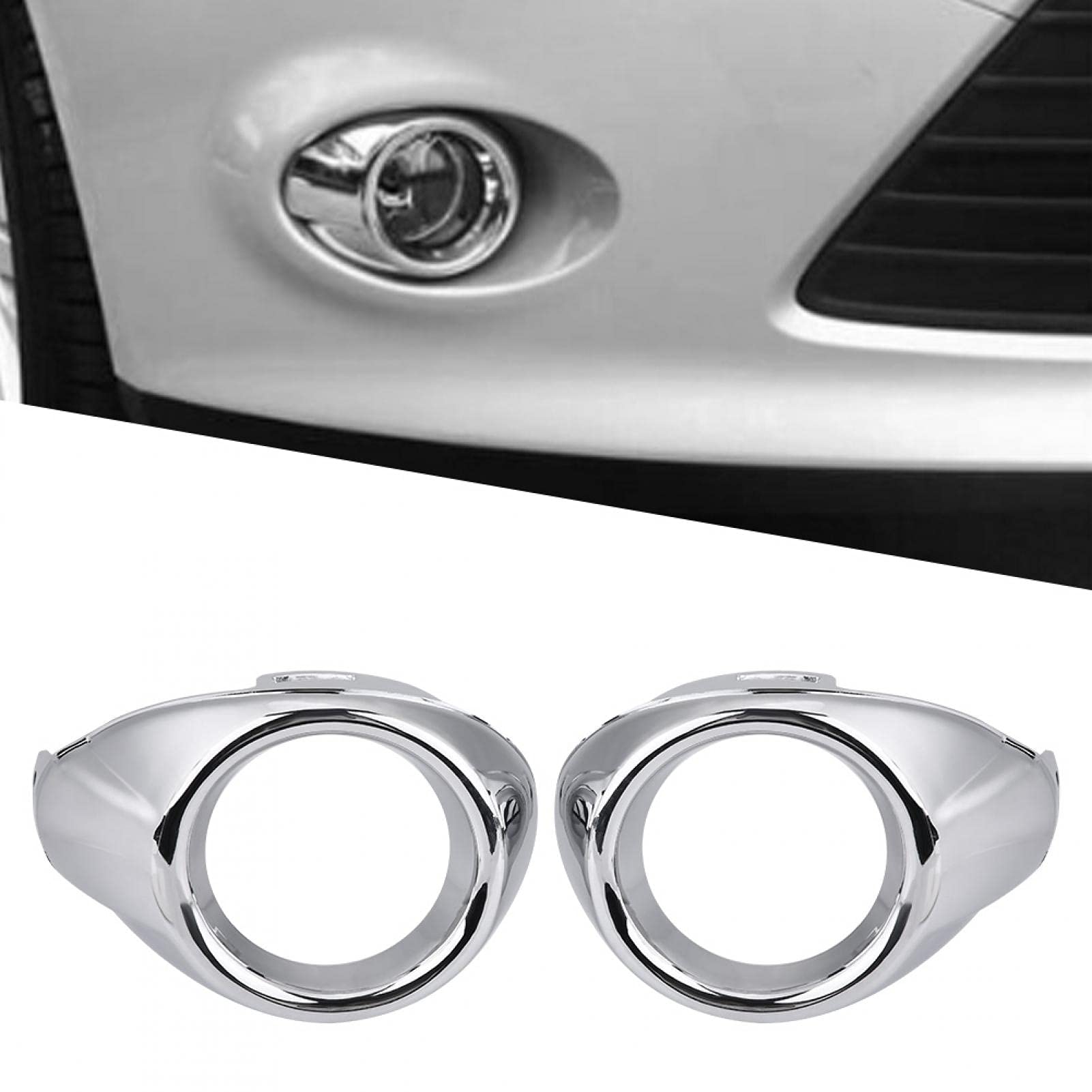
Fog lamps sit low on the front of a car, close to the road and close to spray, grit and stone chips. It can also create problems if the new trim blocks light, traps moisture or fits poorly, so the decision deserves more attention than its size suggests.
Owners usually consider this kind of trim for one of three reasons. The original surrounds may be scuffed, faded or cracked. A surround that looks tidy in a photograph but interferes with a lamp is not a good result, however well it matches the rest of the car.
This guide explains how to judge front lamp surrounds sensibly. It covers what they do, how materials and finishes behave in an exposed position, and how to fit and care for them without compromising lighting or safety.
What Fog Lamp Surrounds Actually Do
A fog lamp surround is primarily a finishing piece. On some cars it also helps direct airflow or protect the edge of the lamp, but its main job is visual: it should sit flush, follow the bumper curve and leave the lens fully visible from the angles that matter.
Because the surround sits low, it is exposed to more abuse than trim higher on the car. Owners should therefore ask how the piece is made, how it is fixed, and whether it can be removed without damaging the bumper or the lamp itself.
The relationship with the lamp is the most important detail. After fitting, the lamps should be checked in daylight and in darkness, from straight ahead and from an angle, to confirm that the beam pattern looks even and that the lens remains clean and unobstructed.
Choosing a Material and Finish for an Exposed Position
Materials for low front trim need to balance appearance with toughness. A finish that looks deep and glossy in a studio photograph may show stone chips quickly on a car used for motorway commuting. The right choice depends on how the car is used, how often it is washed, and whether the owner is prepared to inspect and touch up small marks promptly.
Woven composite finishes are popular for this area because they offer a technical appearance and a distinctive texture. Owners should look for close-up photographs of edges and corners, and should ask what cleaning products are suitable and what should be avoided.
Colour matching also matters. Dark surrounds can create a strong contrast against light paint, which suits some cars and overwhelms others. Comparing a fitted example on a car of the same colour, in daylight, is more reliable than judging a single product photograph against a white background.
Fitment, Lamps and Safety Checks
Fitment should be confirmed for the exact model, model year and bumper variant before ordering. Photographs of the existing bumper, lamp shape and any parking sensors nearby can help a supplier confirm suitability, and a written confirmation is worth keeping with the order records.
When the time comes to fit the pieces, the bumper and lamp area should be clean and dry, and the work should not be rushed. If a piece needs force, bending or trimming to sit in place, it should not be forced, because stress at the fixing points can lead to cracking, vibration or water ingress later.
Electrical and lighting checks should follow fitting, not precede it. Turn the fog lamps on, check for warning messages, and look for any change in beam shape or brightness. A professional fitter is particularly useful where bumper removal is involved, because clips and wiring can be brittle with age and are easily damaged by haste.
Avoiding Confusion Between Trim Categories
Front-end trim is sold in many overlapping categories, and listings can be easy to confuse. When researching related trim for comparison, a carbon fiber engine cover listing illustrates why category and fitment must be checked carefully, because the same material description can appear in very different parts of a car.
Cleaning, Inspection and Long-Term Care
Low front trim needs regular, gentle care. Insect residue and tar should be softened with a suitable remover rather than scraped off, and harsh chemicals, stiff brushes and high-pressure water aimed directly at edges should be avoided.
Inspection should become part of the washing routine. Look for stone chips, lifting edges, loose clips and any sign that water is getting behind the trim. Small chips should be addressed promptly, because moisture reaching an unprotected edge can spread damage further than the original mark.
Seasonal conditions add further pressure. Winter salt and grit are abrasive, summer heat can soften adhesives if the wrong product was used, and repeated freezing and thawing can test fixings. A quick check after long journeys, and a more thorough inspection at the start of winter, will catch most issues while they are still small and inexpensive to correct.
Frequently Asked Questions
1. Will a new lamp surround affect the fog lamp beam?
It should not, if it is made for the exact car and fitted correctly. The surround must leave the lens fully visible and must not press against the lamp housing. Check the beam in darkness after fitting, and investigate any shadow, uneven pattern or warning message promptly.
2. Can lamp surrounds be fitted without removing the bumper?
It depends on the car and the design. Some surrounds clip or bond onto the existing bumper, while others require bumper removal for access to fixings. A supplier or fitter should be able to explain the method for the exact model, and the owner should understand what will be disturbed before work begins.
3. How should the finish be maintained?
Wash gently with the rest of the car, remove contaminants promptly, and avoid abrasive tools and harsh chemicals. Inspect edges and fixings regularly, especially after winter driving, and address chips early. A protective coating may help, but it should be suitable for the specific finish and applied according to the maker’s guidance.
Conclusion
Fog lamp surrounds are small, but they sit in a prominent and exposed position, and they deserve the same care as larger exterior parts. When those checks are done, a tidy surround can finish the front of the car without drawing attention to itself for the wrong reasons, and it will still look right after months of washing, commuting and winter roads.